

Optimizing Lung Imaging: The Role of AI and Standardization
The healthcare industry is an essential pillar of society, dedicated to saving and improving lives. As such, it is crucial to continuously improve the tools and processes utilized by medical professionals. However, certain areas in healthcare are in need of attention. In recent years, significant progress has been made in the field of medical imaging, particularly in the detection of lung cancer, a disease that is responsible for millions of deaths worldwide.
Lung cancer is one of the deadliest forms of cancer, accounting for 18.4% of all cancer deaths globally. Early detection is critical to increasing survival rates and improving treatment outcomes. Imaging plays a vital role in this process, enabling medical professionals to identify tumors and evaluate the extent of the disease. However, this process can be complicated by the challenges of collaboration and data sharing. In many cases, imaging data is stored in disparate systems, and medical professionals must spend valuable time and resources coordinating with each other to access the necessary information.
Efficient and effective collaboration and data sharing are essential components of high-quality healthcare. Unfortunately, the current process for sharing lung imaging data is often slow, cumbersome, and error-prone, leading to delays in diagnoses and treatment planning. The traditional process of sharing imaging data requires multiple steps, including the transfer of images from one system to another, the conversion of files into a standardized format, and the manual review of images by radiologists. All of these steps are time-consuming and can lead to errors that can compromise patient care.
Part 1: The Potential of Artificial Intelligence (AI) in Lung Imaging
To address these challenges, medical professionals and researchers are exploring the potential of artificial intelligence (AI) and machine learning (ML) in improving collaboration and data sharing in lung imaging. AI-powered systems have the potential to automate the conversion of files into standardized formats, enabling medical professionals to access and review imaging data more quickly and easily. Additionally, AI-powered systems can analyze imaging data to identify patterns and abnormalities that may be missed by human radiologists.
Medical professionals are at the forefront of this effort, constantly working to improve their processes and tools to save more lives. One area that requires attention is the way we collaborate and use data when it comes to lung imaging. To optimize collaboration in lung imaging, we need to embrace technology and leverage modern tools to improve the way we share data. One such solution is the use of cloud-based platforms that enable medical professionals to use imaging data securely and in real time. This allows for more effective analysis, enabling medical professionals to make faster and more informed decisions.
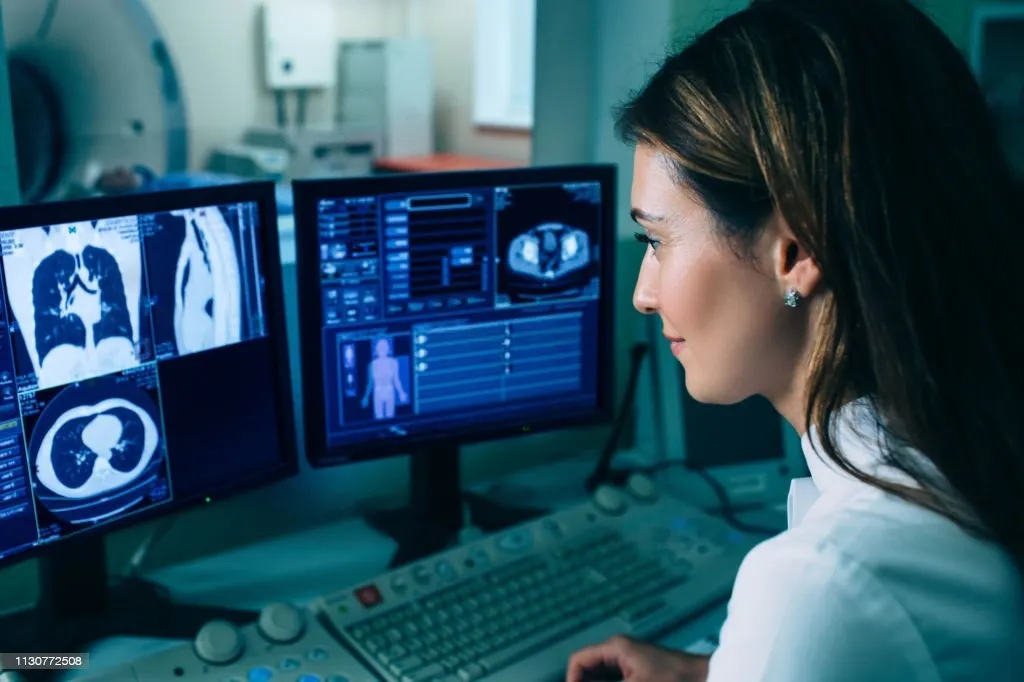
Moreover, cloud-based platforms offer the added advantage of being easily accessible from anywhere in the world. This means that medical professionals can collaborate with others from different parts of the world, share expertise, and develop better treatment plans. Additionally, cloud-based platforms offer the scalability and flexibility that medical professionals require to handle large volumes of imaging data.
Another way to optimize collaboration in lung imaging is to make use of AI-powered solutions. AI can assist medical professionals, identifying potential areas of concern, and making accurate diagnoses. AI can also help in developing personalized treatment plans based on patient history, genetic makeup, and other factors.
By leveraging AI-powered solutions, medical professionals can improve the accuracy and speed of their diagnoses, reducing the risk of misdiagnosis and increasing the likelihood of successful treatment. AI can also help in identifying early-stage lung cancer, where the chances of successful treatment are significantly higher.
Part 2: Standardization in Lung Imaging
Lung imaging is a multifaceted issue that requires a multifaceted solution. While embracing technology and making use of modern tools is a great way to improve collaboration, standardization is a key factor. Medical professionals need to have access to standardized imaging protocols and tools to ensure that the data they are analyzing is consistent and accurate. Without standardization, there is a higher risk of misdiagnosis and improper treatment, which can have dire consequences for patients.
To achieve standardization, medical professionals need to work together to develop imaging guidelines that are universally accepted and can be easily implemented in healthcare facilities worldwide. These guidelines should take into account the latest technological advancements and best practices in the field and should be regularly updated to reflect new findings and changes in the industry. By doing so, medical professionals can ensure that the imaging data they are working with is of the highest quality and that they are making the best decisions possible for their patients.
In addition to standardized guidelines, the adoption of machine learning algorithms can also help automate the analysis of lung imaging data. Machine learning algorithms can quickly analyze large sets of imaging data and identify patterns that may not be immediately apparent to the human eye.
Part 3: Data Security and Privacy in Lung Imaging
Data security and privacy are also critical components of optimizing collaboration in lung imaging. With cloud-based platforms, it's important to ensure that the data being shared is encrypted and protected from unauthorized access. Medical professionals must also adhere to strict privacy regulations when handling patient data. Implementing strict security protocols and providing training on data handling can help mitigate the risks of data breaches and ensure patient privacy is protected.
Part 4: Fostering a Collaborative Culture in Healthcare
Doctors also need to foster a culture of openness and collaboration. Medical professionals need to be encouraged to share their knowledge and expertise with their peers, and to work together to solve complex problems. This can be achieved through training programs, workshops, and other initiatives that promote collaboration and knowledge-sharing. By working together and sharing our expertise, we can continue to improve the processes and tools that medical professionals use to save lives.

Optimizing collaboration in lung imaging is a complex task that requires more than just technological advancements. It also requires a cultural shift in the healthcare industry towards collaboration and data sharing. One of the biggest challenges in implementing such a shift is the resistance to change. Many medical professionals are set in their ways and may not be open to adopting new methods of sharing data.
With cloud-based platforms, it's possible to create a centralized repository for all imaging data, making it easier for medical professionals to access and collaborate on patient cases. This can help foster a collaborative culture in which medical professionals are more likely to share their expertise and work together to achieve better patient outcomes.
In conclusion, optimizing collaboration in lung imaging requires a different approach that involves both technological advancements and a cultural shift in the healthcare industry. By adopting new practices, we can improve the accuracy and consistency of lung imaging data analysis and ultimately, contribute to better patient outcomes.
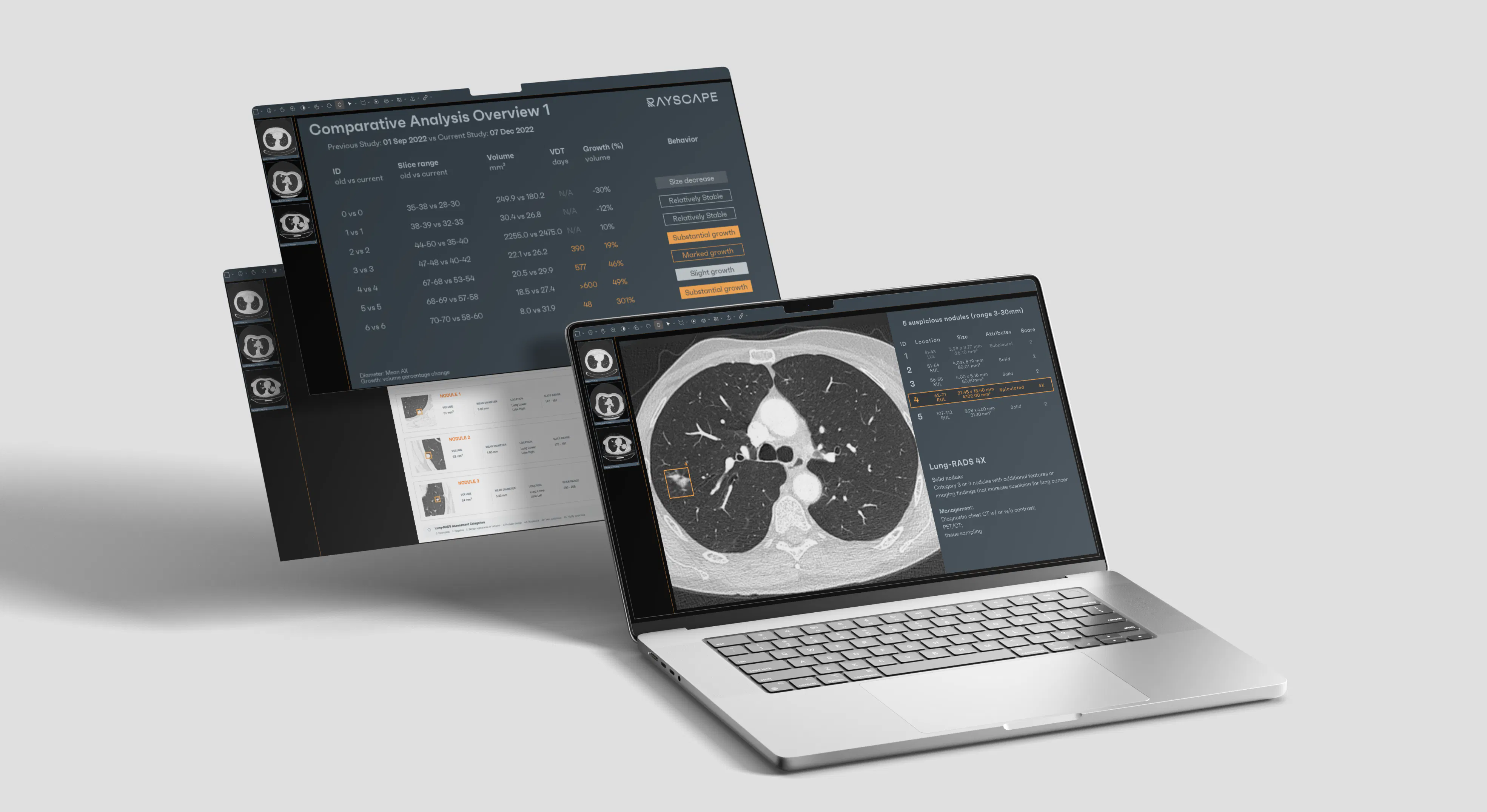
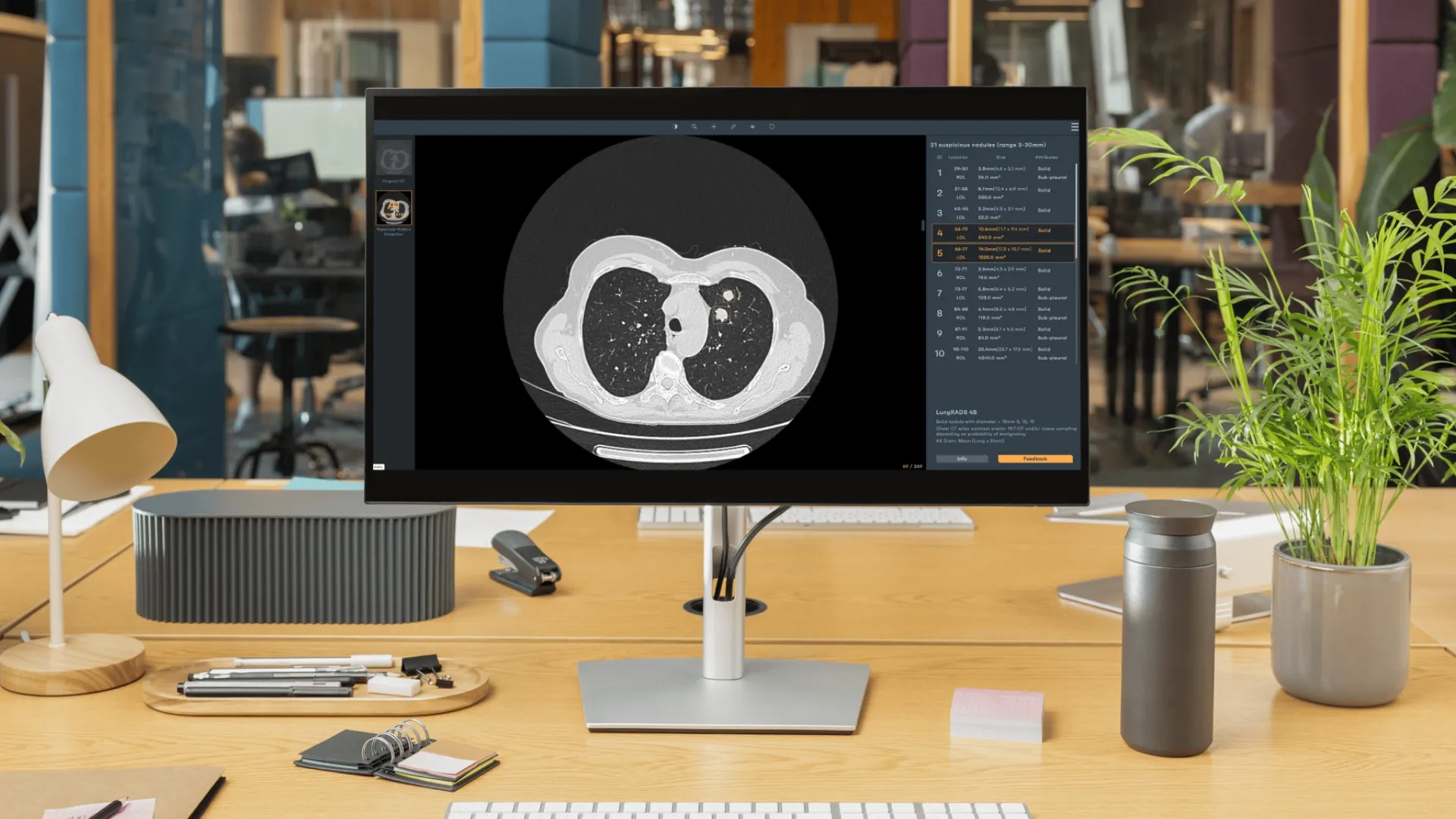
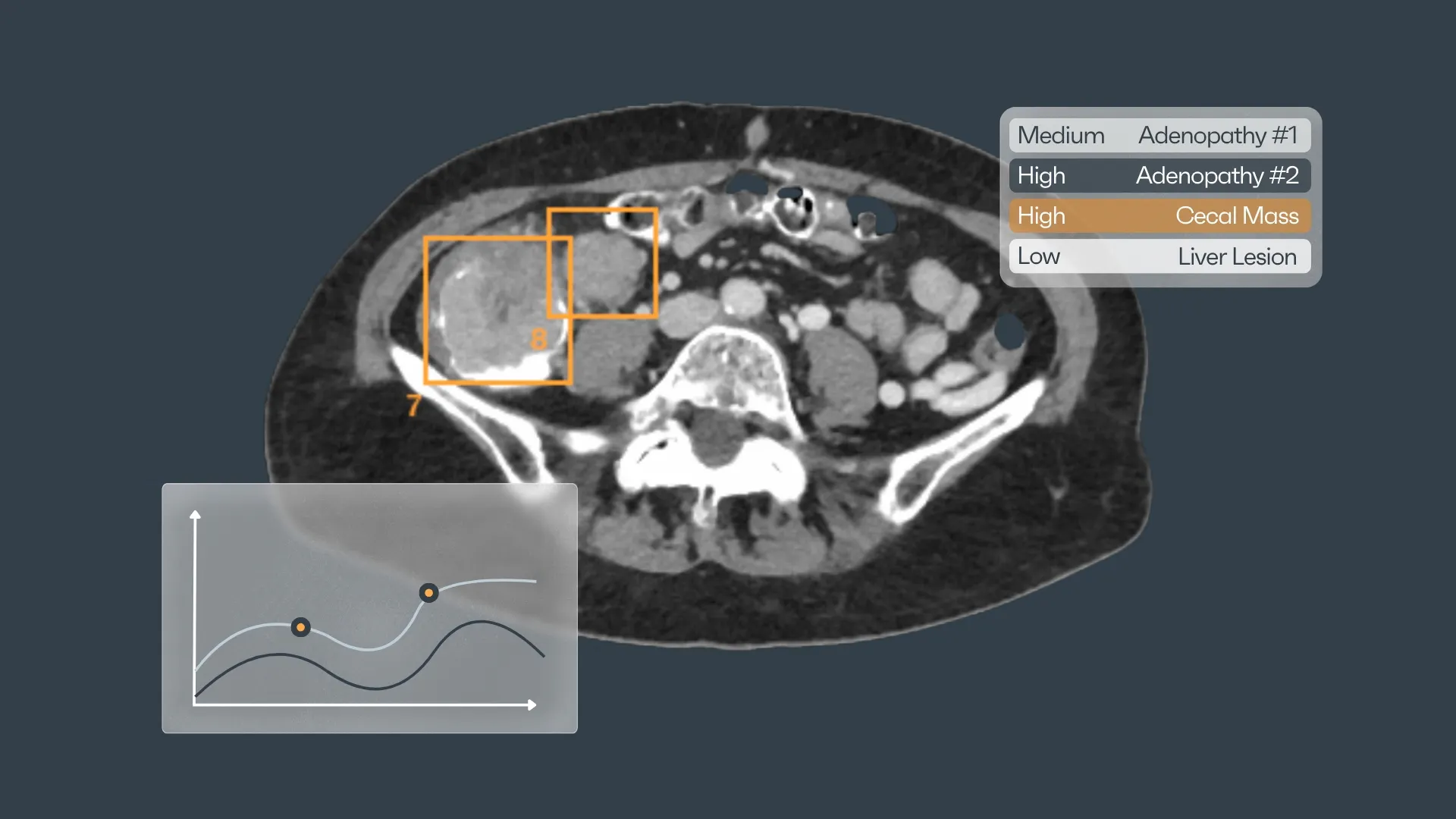

Discover how Rayscape works
integrate Rayscape AI into
your hospital's infrastructure
and improve both your
daily workflow and patients' experience.
