

Radiology AI in 2025: A Revolution in Diagnostic Imaging
Artificial Intelligence Radiology is revolutionizing the way diagnostic imaging is performed, offering a new level of accuracy, efficiency, and patient experience. In 2025, Radiology AI is poised to make a big impact in the medical field, offering innovative solutions that have the potential to transform the entire diagnostic imaging industry.
With advancements in machine learning and computer vision technologies, Radiology AI is becoming increasingly sophisticated and capable of easily handling even the most complex diagnostic imaging tasks. It has the potential to make a huge difference in the lives of patients and healthcare providers, streamlining workflows and improving the accuracy and consistency of diagnostic results.
In this article, we will delve into the current state of Radiology AI in 2025, showcasing its advancements, benefits, challenges, and limitations. From real-life case studies to a glimpse of the future, we will provide an in-depth look at the exciting world of Radiology AI and what it holds in store for diagnostic imaging.
The Rise of Intelligent Radiology
Artificial Intelligence has been revolutionizing the field of diagnostic imaging with its cutting-edge machine-learning algorithms and deep-learning techniques.
Machine learning algorithms facilitate real-time image analysis, which detects patterns and anomalies that may be overlooked by the human eye. This results in faster and more accurate diagnoses, improving patient outcomes. In Europe, companies like Rayscape, Aidence, and Contextflow are using AI to improve the accuracy of lung cancer screenings. The company platforms leverage machine learning algorithms to analyze CT scans and identify early signs of lung cancer, improving patient outcomes and reducing the mortality rate from the disease.

Deep learning techniques are being utilized to classify images, allowing for more precise identification of specific conditions by radiologists. These algorithms are trained using vast amounts of data, mimicking the way a human radiologist would analyze images. In the United States, Qlarity Imaging is using Radiology AI to improve the accuracy of breast cancer diagnoses. The software uses deep learning algorithms to analyze mammograms, helping radiologists identify breast cancer cases that may have been missed by human radiologists. In addition, the software is also shaping the future of image processing and data management.
Advanced algorithms and computer vision technologies enable efficient processing of large amounts of data, streamlining diagnostic imaging workflows. Computer vision, a subfield of AI, is making remarkable progress and has the potential to significantly transform the diagnostic imaging landscape. In India, Qure is using AI to streamline workflows in emergency rooms. The company's platform leverages computer vision technologies to quickly and accurately diagnose patients, reducing wait times and improving patient outcomes.
The Benefits of Radiology AI for You and Your Patients
The integration of Radiology AI into diagnostic imaging is ushering in a new era of accurate and consistent diagnoses.
One example of this is the use of Radiology AI in detecting breast cancer. Companies like iCAD use machine learning algorithms to analyze mammograms, identifying early signs of the disease and helping radiologists make more informed diagnoses. This has led to improved patient outcomes and a decrease in the number of false-positive diagnoses. iCAD's Breast Health Solutions delivers powerful software solutions for digital breast tomosynthesis (DBT), breast density, 2D mammography, and personalized risk assessment. These innovative breast cancer solutions offer clinicians a wide range of tools to support disease detection and analysis.
AI is also helping to streamline workflows and boost efficiency in diagnostic imaging. With advanced algorithms and computer vision technologies, large amounts of data can be quickly and efficiently processed, reducing wait times for patients and freeing up radiologists to focus on their core responsibilities.
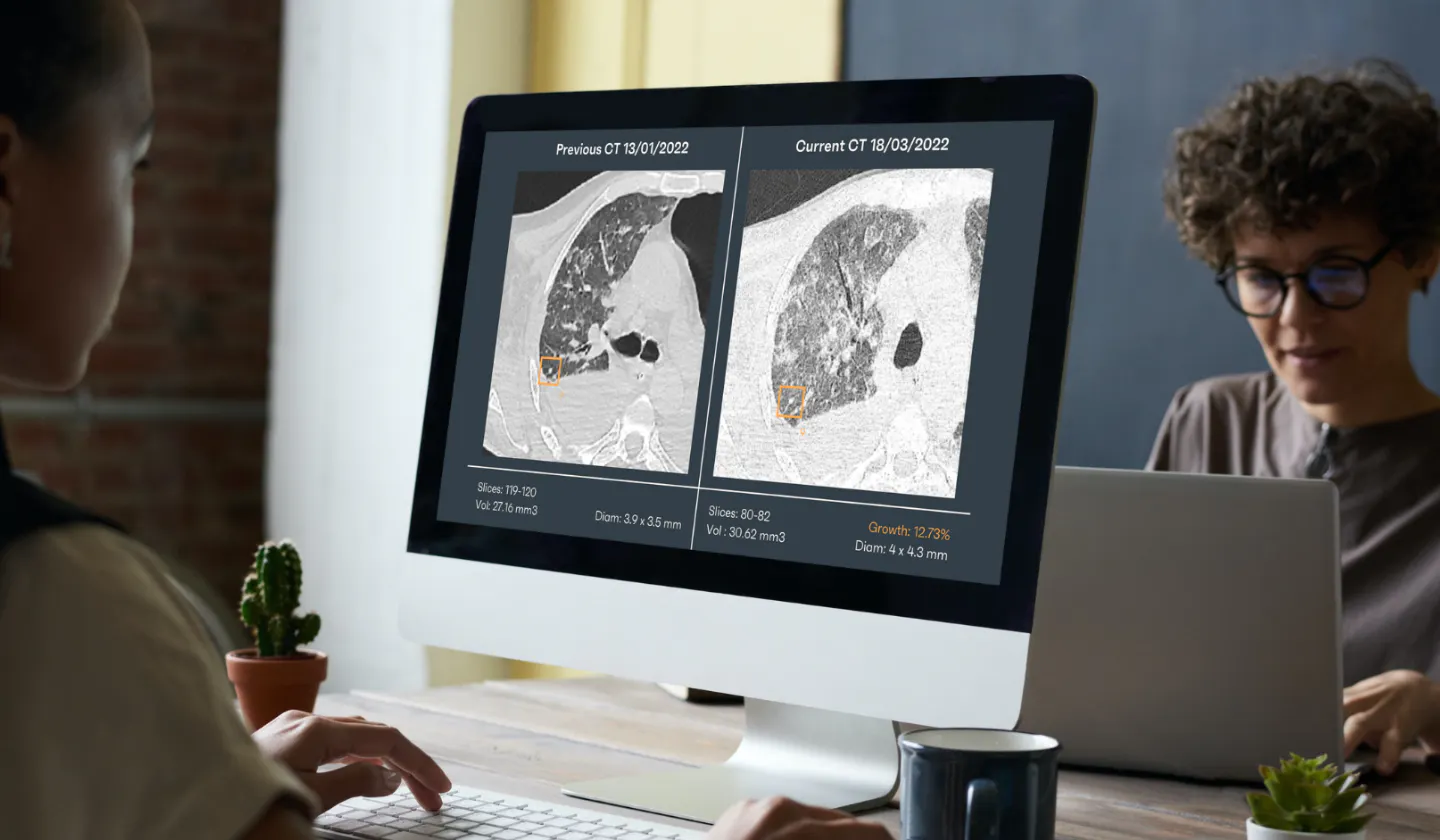
For example, companies like Arterys are using Radiology AI to automate image analysis and improve the efficiency of diagnostic imaging in emergencies like myocardial infarction. Their platform uses machine learning algorithms to analyze medical images, reducing the time it takes to generate reports and freeing up radiologists to focus on more critical tasks. The company’s core products include Cardio AI. This process images and generates reports to assist with the examination of heart defects.
Radiology AI is not only improving the accuracy of diagnoses but also the patient experience in diagnostic imaging. By reducing wait times and improving the efficiency of diagnostic imaging, patients can receive a better experience and faster results.
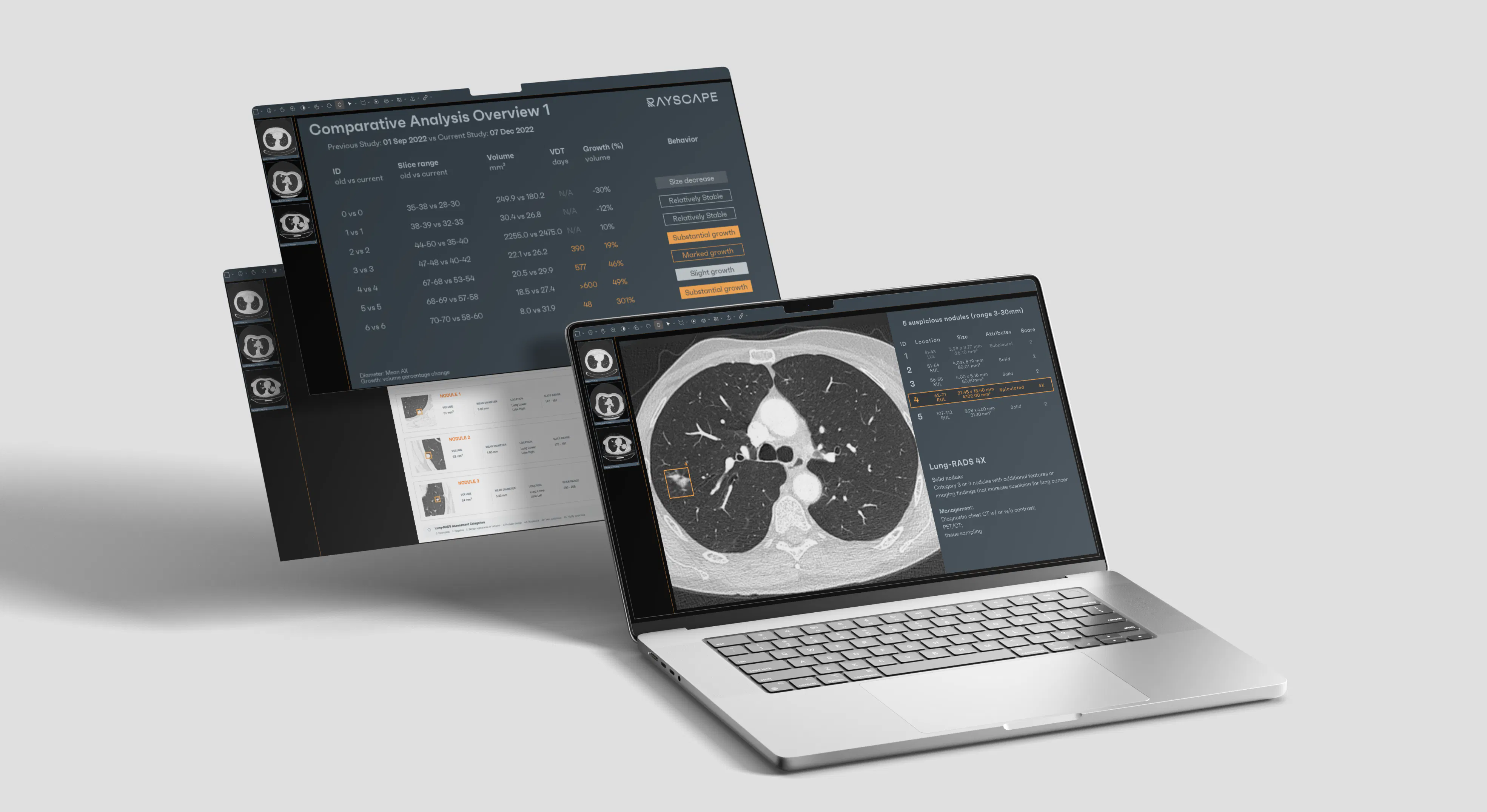
Our company is contributing to this trend by offering software for both CT and X-ray explorations. Rayscape is the complete digital assistant that provides doctors with Artificial Intelligence tools for better decision-making. We are designing software to help radiologists be more, to be better. The suite of products dedicated to the health of the lungs is seamlessly integrated into the doctor’s and hospital’s workflow, helping them to analyze chest X-rays and lung CTs faster and more efficiently.
Rayscape CXR automatically distinguishes between normal X-rays and those with anomalies, enhancing patient care and providing doctors with a quick way to triage and prioritize each patient, with over 147 pathologies that can be detected.
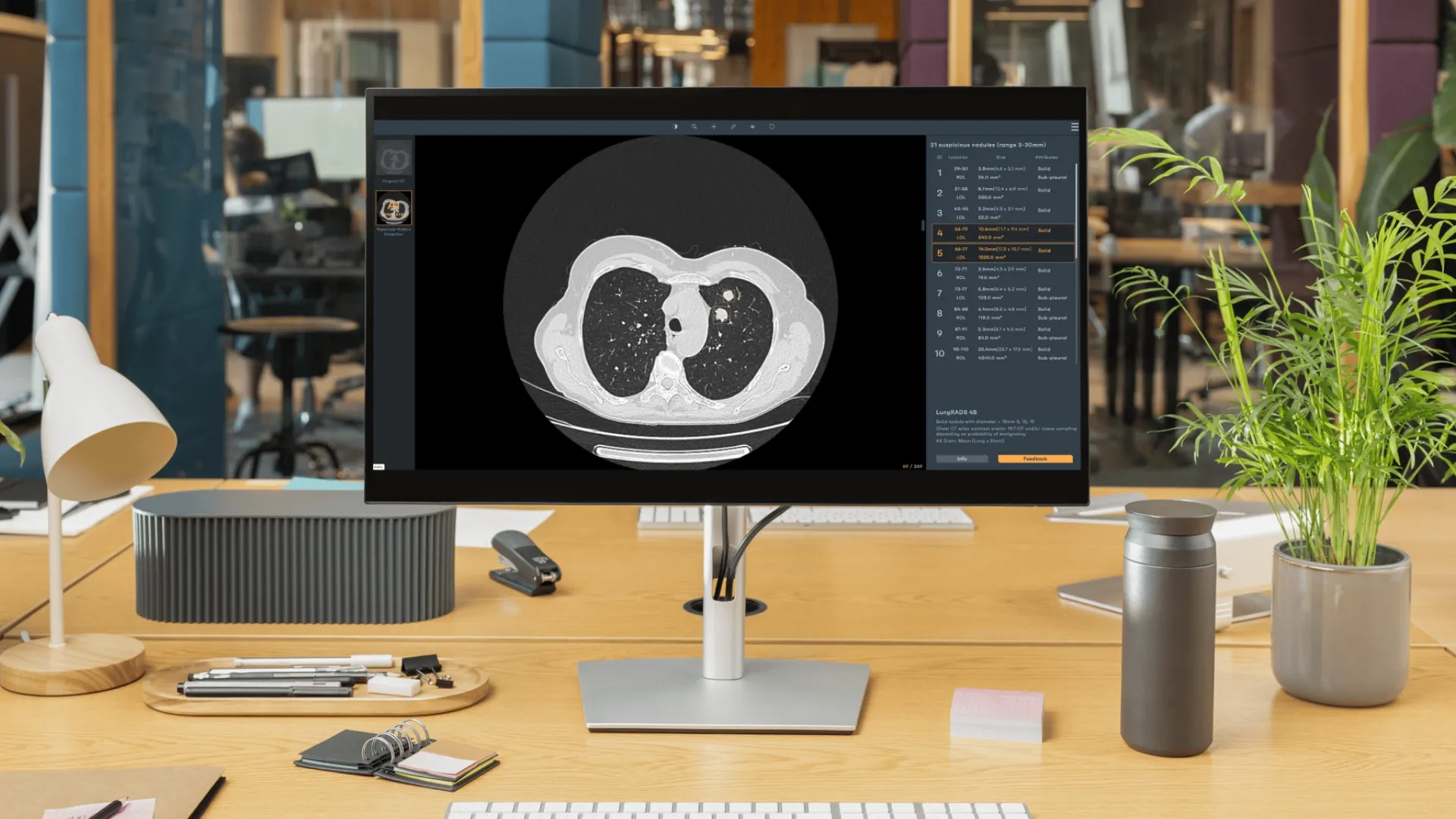
From detecting and tracking lung nodules to evaluating COVID-19 patients, Rayscape LUNG CT provides an AI assistant that is trained in managing complex lung pathologies. It helps identify high-risk patients and notifies doctors by detecting possibly malignant nodules during regular check-ups. The product enables seamless process optimization, from preventive monitoring to early detection, emergency care, and much more.
The products are flexible enough to plug into the pre-existing infrastructure and flow without disruptions, with a fully customizable platform, with both on-premise and cloud integrations. By reducing the wait time and improving the accuracy of diagnoses, Rayscape is helping to improve the overall patient experience.
The Challenges and Limitations of Radiology AI
Several challenges and limitations must be considered when implementing AI in real clinical practice. One of the main challenges is integrating the technology into existing clinical guidelines. Radiology departments must ensure that their solutions work seamlessly with their existing systems and processes and that their staff is trained on how to use the technology effectively. This can be a complex and time-consuming process, requiring close collaboration between technology experts and radiology professionals.
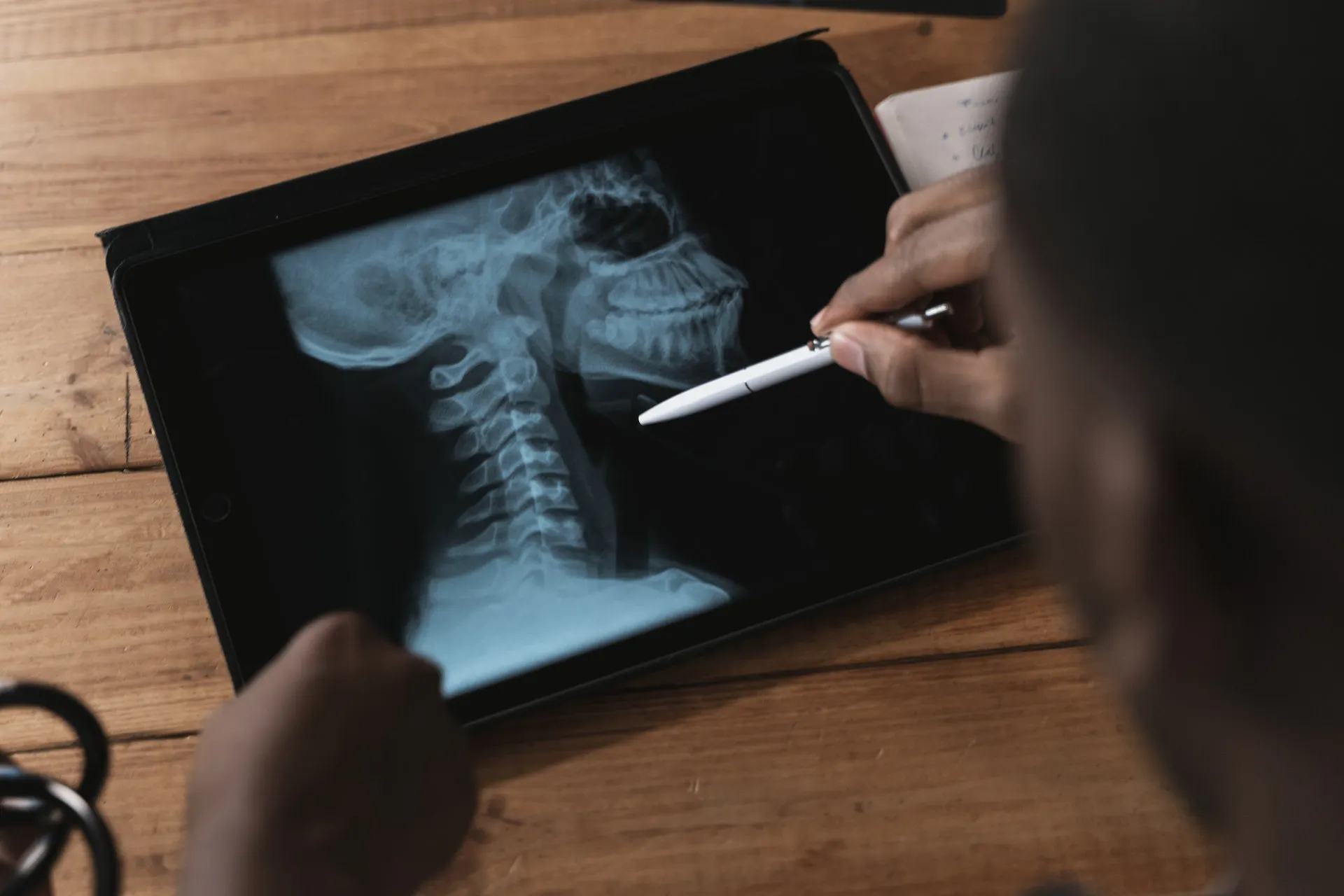
As medical images contain sensitive information about patients, data privacy and security are major concerns. Radiology departments must ensure that their AI solutions comply with privacy regulations, such as HIPAA and GDPR, and that patient data is stored securely. This requires careful consideration of the data storage and processing mechanisms, and close collaboration between technology experts and privacy specialists.
Another challenge of radiology AI is navigating the complex regulatory landscape and ethical considerations. Radiology departments must ensure that the software that is integrated complies with regulations, such as FDA or EMA approval, and that they are using the technology ethically and responsibly. This requires close attention to the legal and ethical implications and ongoing engagement with regulatory authorities. While the use of radiology Artificial Intelligence is becoming increasingly widespread, there is still a lack of standardization in the field. Doctors must navigate this complex landscape, ensuring that they are using solutions that are accurate and reliable and that they meet the necessary quality standards.
Pioneering Case Studies: Real-Life Examples of Radiology AI in Action
The benefits of this technology are numerous, but what does this look like in the real world? Let’s explore a real-life example of how Rayscape software is making a difference in the medical field. You can read the full clinical cases here.
Consider the case of a male patient who was brought to the hospital by emergency with expressive language disorders that started two days prior. The patient's clinical condition worsened with the appearance of respiratory failure and the impairment of the state of consciousness. The patient underwent a series of pulmonary imaging explorations in the form of lung CTs, and the results were analyzed using the Rayscape algorithms.
The algorithms detected multiple pulmonary nodules, which were confirmed by the radiologist. The largest nodules had diameters of 6mm and 8mm, respectively, and were located in the upper left lobe and lower left lobe. Although initially, the attention was focused on the neurological symptoms, the findings at the pulmonary level gained greater importance for the patient's future state of health.

The patient was referred for a multidisciplinary surgical and oncological consultation. This example demonstrates how radiology AI can play a critical role in detecting pathology that could have gone easily unnoticed. The technology's ability to analyze images in real-time, detecting patterns and anomalies that may not be immediately apparent to the human eye.
Looking Ahead: What's in Store for 2025 and Beyond for AI in Radiology
As the field of radiology continues to evolve, artificial intelligence is playing an increasingly important role in improving the accuracy, efficiency, and accessibility of medical imaging. The advancements made in recent years have paved the way for an exciting future, where AI has the potential to transform the way doctors work.
In 2024 and beyond, we can expect to see continued exponential growth, with more advanced algorithms, improved computer vision technologies, and better data management solutions. As the technology continues to evolve, the opportunities for using AI to improve patient outcomes and streamline imaging data will only increase.
However, there are still significant challenges and limitations that must be addressed to fully realize the potential of AI in radiology. These include ensuring data privacy and security, navigating the complex regulatory landscape, and finding ways to standardize the technology across different settings.
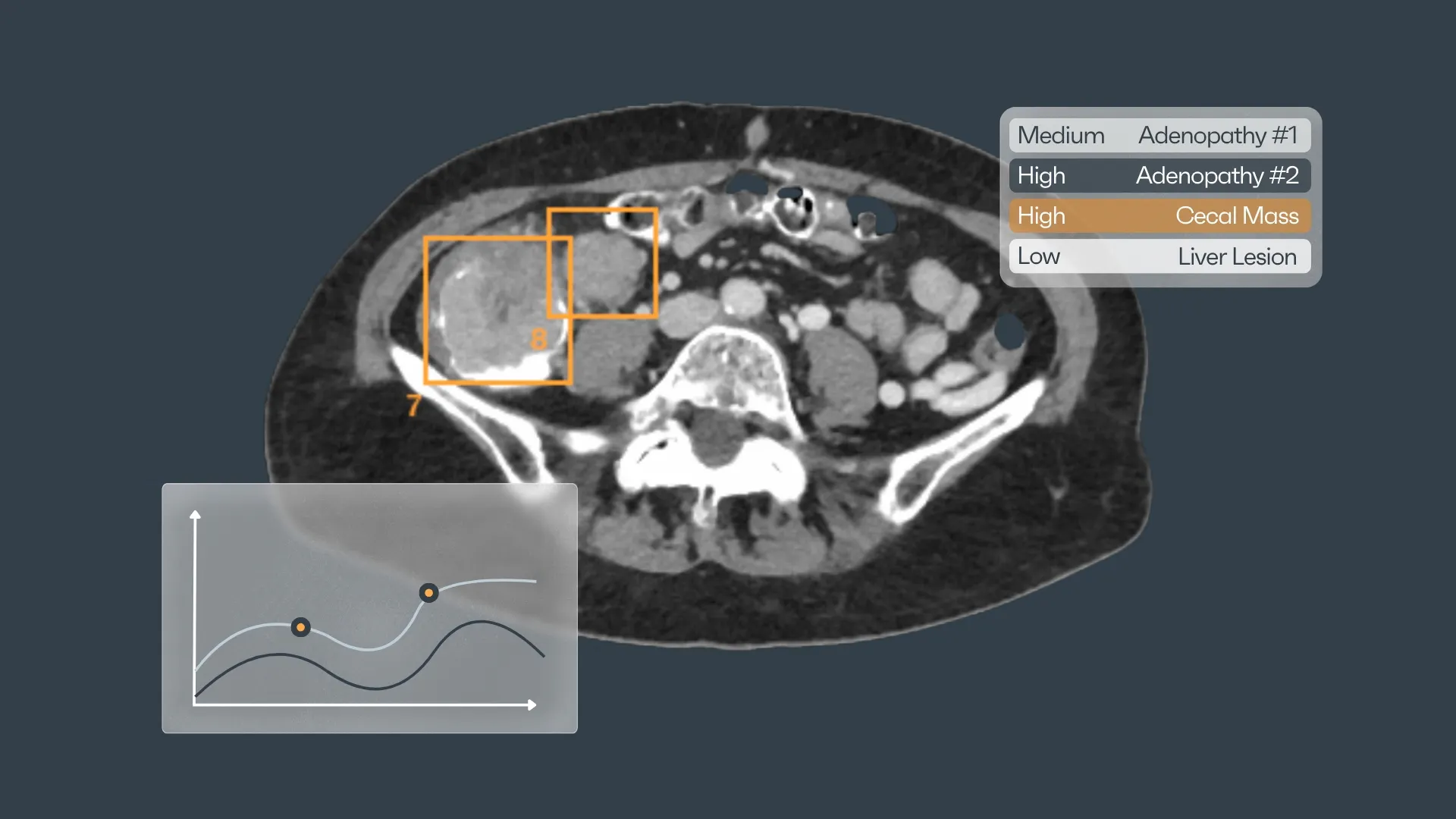

Discover how Rayscape works
integrate Rayscape AI into
your hospital's infrastructure
and improve both your
daily workflow and patients' experience.
