

Pros & Cons of Artificial Intelligence in Radiology
Artificial intelligence (AI) has been making headlines in recent years as a potentially disruptive technology that could transform many industries, including healthcare. In the field of radiology, AI has the potential to improve accuracy, efficiency, and patient care. However, like any new technology, there are also potential drawbacks to consider.
The use of AI in radiology has gained attention in recent years due to its potential to improve diagnostic accuracy and efficiency. For example, one study found that an AI algorithm was able to detect abnormalities on mammograms with a higher sensitivity than human radiologists (Girshick et al., 2014). Another study found that an AI algorithm was able to identify metastases in lymph nodes with a similar accuracy to that of human experts (Girshick et al., 2015). These findings suggest that AI could potentially play a valuable role in improving patient care by providing more accurate diagnoses.
In addition to the potential for improved accuracy, the use of AI in radiology could also lead to increased efficiency. AI algorithms are able to process and analyze large amounts of data quickly, potentially freeing up time for radiologists to focus on other tasks. This could lead to more efficient and streamlined workflows in the field of radiology. This can be particularly useful when it comes to analyzing large datasets, such as population-level data or data from large clinical trials. AI algorithms are able to process and analyze this data much more quickly than humans, potentially providing insights that would not be possible through manual analysis.

Another potential advantage of using AI in radiology is the ability to provide personalized treatment recommendations based on an individual's specific characteristics and medical history. This could lead to more effective and targeted treatment plans, resulting in better outcomes for patients. In addition, the use of AI in radiology could improve access to care, particularly in underserved areas where there may be a shortage of trained radiologists. By providing diagnoses and recommendations in a more timely manner, AI algorithms have the potential to help fill this gap and improve access to care for patients. The use of AI in radiology could enhance collaboration among healthcare providers by providing a common platform for analyzing and sharing data. This could improve communication and coordination among different healthcare providers, leading to more seamless and effective care for patients.
However, there are also some potential drawbacks to consider when it comes to using AI in radiology. One concern is the lack of transparency in how AI systems make decisions. It can be difficult to understand how an AI system reached a particular conclusion, which can be a problem in the medical field where lives are at stake (Ammad-ud-din et al., 2018). This lack of transparency can also make it challenging for radiologists to fully understand and trust the recommendations made by AI systems.
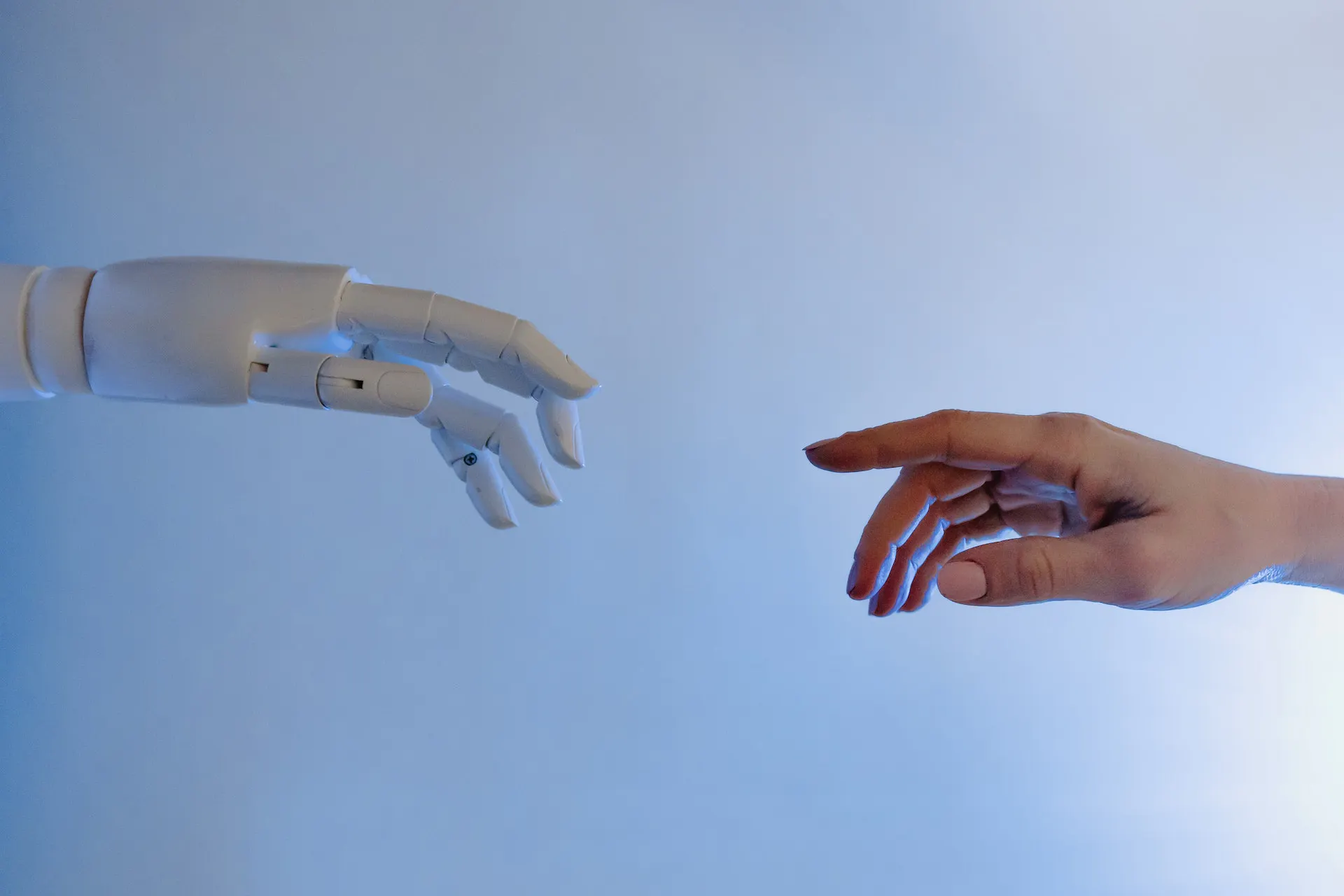
Another concern is the possibility of bias in the training data used to develop AI algorithms. If the data used to train an AI system is biased, the AI system may perpetuate that bias in its decision-making (Obermeyer et al., 2019). This can be a particular concern in radiology, where there may be imbalances in the types of images available for training. It is important to ensure that the training data used to develop AI algorithms is diverse and representative in order to minimize the potential for bias.
There is also a concern that the use of AI in radiology could lead to job displacement for radiologists. While it is unlikely that AI will completely replace radiologists, it could lead to a shift in the role of radiologists and the tasks they perform (Patel et al., 2019). This could have both positive and negative implications for the field, depending on how it is implemented. It is important to carefully consider the potential impact on radiologists and ensure that any changes are implemented in a way that is fair and beneficial to all parties involved.

And when we talk about AI in medical imaging, the focus is often on the platforms and algorithms themselves. But just as important is the infrastructure that enables their practical use. Seamless integration doesn’t happen on its own — it depends on the right technology behind the scenes.
Smart, cloud-native PACS and web-based DICOM viewers are essential here. They ensure that AI-generated insights aren’t isolated — they’re immediately accessible, easy to interpret, and simple to share across departments or even institutions. With features like remote access, real-time viewing, and zero-footprint deployment, radiologists can review both original and AI-processed studies quickly and efficiently
In conclusion, AI has the potential to greatly improve the field of radiology, but it is important to carefully consider the pros and cons before fully adopting this technology. It will be important for radiologists and policymakers to carefully consider the ethical implications of using AI in the medical field.
Rayscape is the complete digital assistant that provides doctors with Artificial Intelligence tools for better decision-making. Our software was designed to help radiologists be more, to be better. The suite of products dedicated to the health of the lungs is seamlessly integrated into the doctor’s and hospital’s workflow, helping them to analyze chest x-rays and lung CTs faster and more efficiently.
Rayscape CXR automatically distinguishes between normal X-rays and those with anomalies, enhancing patient care and providing doctors with a quick way to triage and prioritize each patient. With over 147 pathologies that can be detected, our product has the amazing ability to bring an issue to light, eliminating doubt.
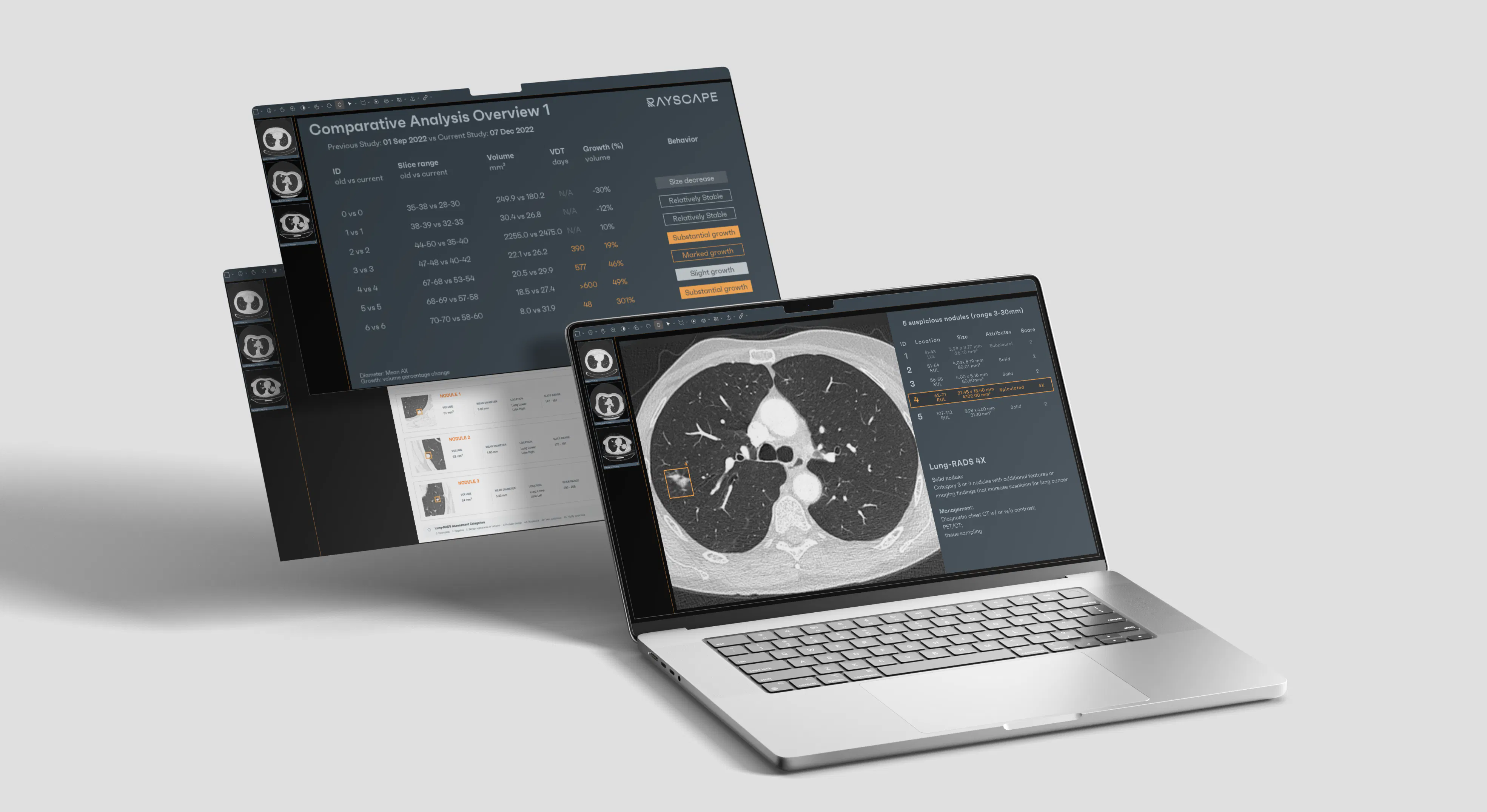
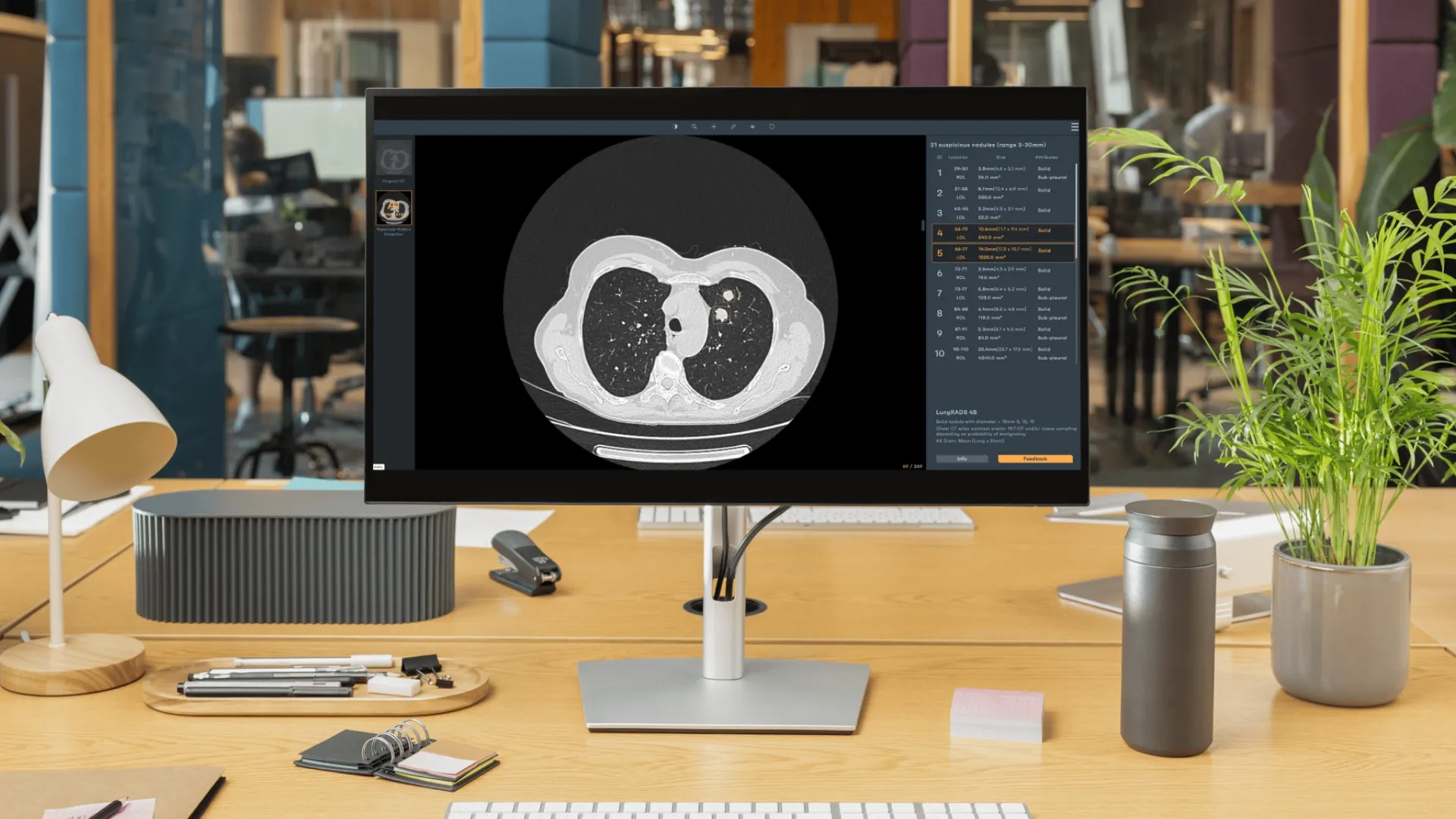
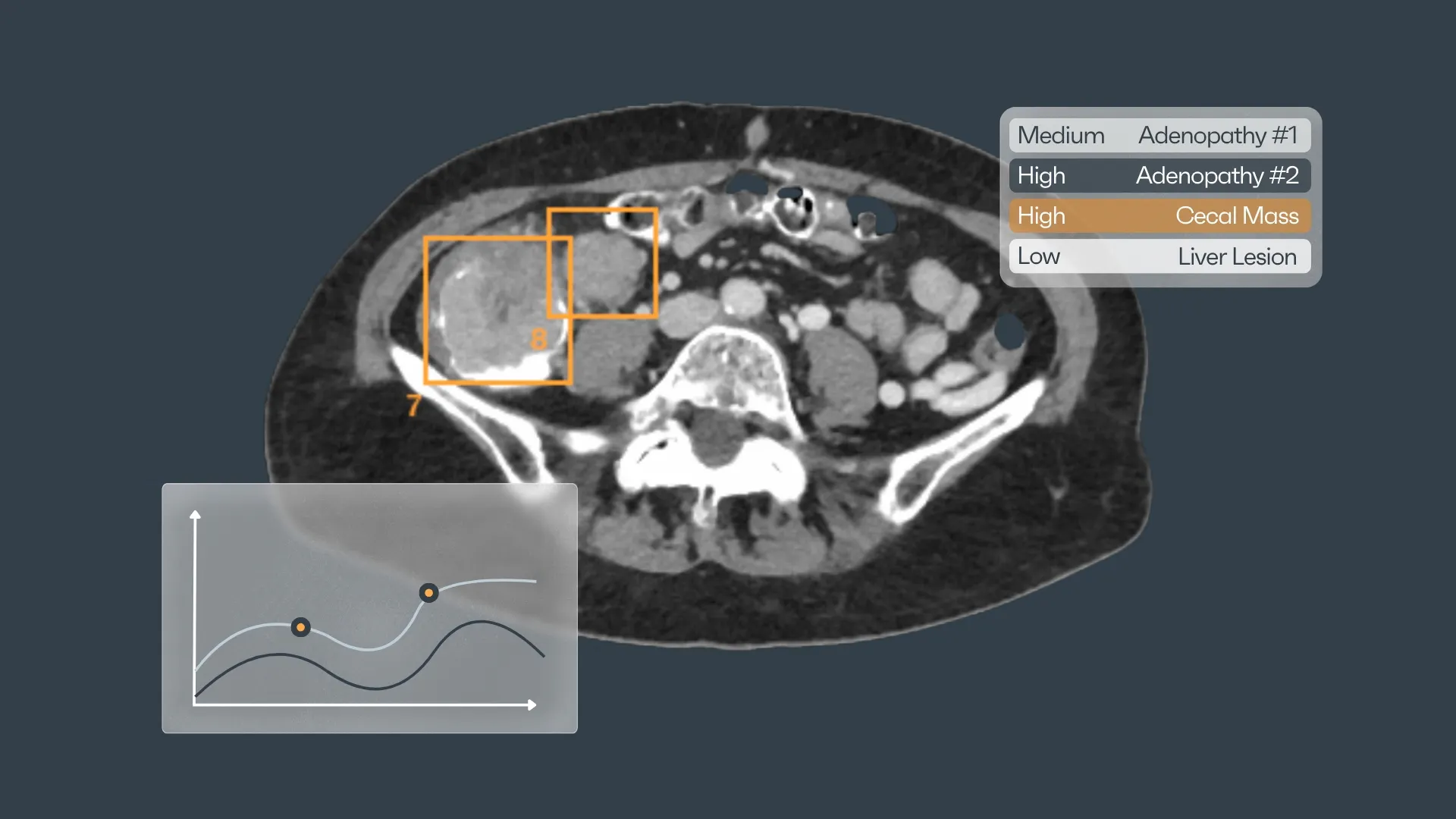
From detecting and tracking lung nodules to evaluating COVID patients, Rayscape lung CT provides an AI assistant that is trained in managing complex lung pathologies. It helps identify high-risk patients and notifies doctors by detecting possibly malignant nodules during regular check-ups. Our product enables seamless process optimization, from preventive monitoring to early detection, emergency care, and much more.
Rayscape is flexible enough to plug into your pre-existing infrastructure and flows without disruptions. We offer a fully customizable platform, with both on-premise and cloud integrations.
References:
Ammad-ud-din, M., Shabbir, M. S., & Latif, M. A. (2018). Artificial intelligence in medical imaging: A review. Journal of medical systems, 42(9), 168.
Girshick, R., Farrell, R., & Raza, S. (2014). "Detection of breast cancer using deep learning". arXiv preprint arXiv:1406.6329.
Girshick, R., Donahue, J., Darrell, T., & Malik, J. (2015). "Deformable part models are convolutional neural networks". In Proceedings of the IEEE International Conference on Computer Vision (pp. 1-9).
Obermeyer, Z., Powers, B., Vogeli, C., & Mullainathan, S. (2019). Dissecting racial bias in an algorithm used to manage the health of populations. Science, 366(6464), 447-453.
Patel, V., Raff, L., & Tamboli, P. (2019). Artificial intelligence in radiology: Opportunities and challenges. Abdominal Radiology, 44(4), 1014-1024.

Discover how Rayscape works
integrate Rayscape AI into
your hospital's infrastructure
and improve both your
daily workflow and patients' experience.
