

ECR 2025 Wrap-up: Where Innovation Meets Responsibility
Vienna again dazzled us with a show that was equal parts technological marvel and ethereal spectacle at ECR 2025. Amidst the swirling lights, immersive nature-themed visuals, and breathtaking acrobatics of the opening “Wonder” ceremony, a clear and urgent message rang out: sustainability isn’t just a buzzword—it’s our collective responsibility. From the top brass of the European Society of Radiology to the vendors on the showcase floor, everyone echoed a rallying call for greener radiology practices and cross-border collaboration.
Planet Radiology in Focus: A Call to Action
“We need urgent change and we need everyone to play their part,” urged ESR President Dr. Andrea Rockall, setting the tone for a congress that’s as much about planetary health as it is about medical advancements. Radiology’s sustainability footprint took center stage, with tangible solutions proposed—ranging from eco-friendly imaging protocols to reduced reliance on single-use instruments. In the words of Dr. Rockall, it’s time to address “invisible harm—greenhouse gases” with the same intensity we’ve historically devoted to reducing radiation exposure.
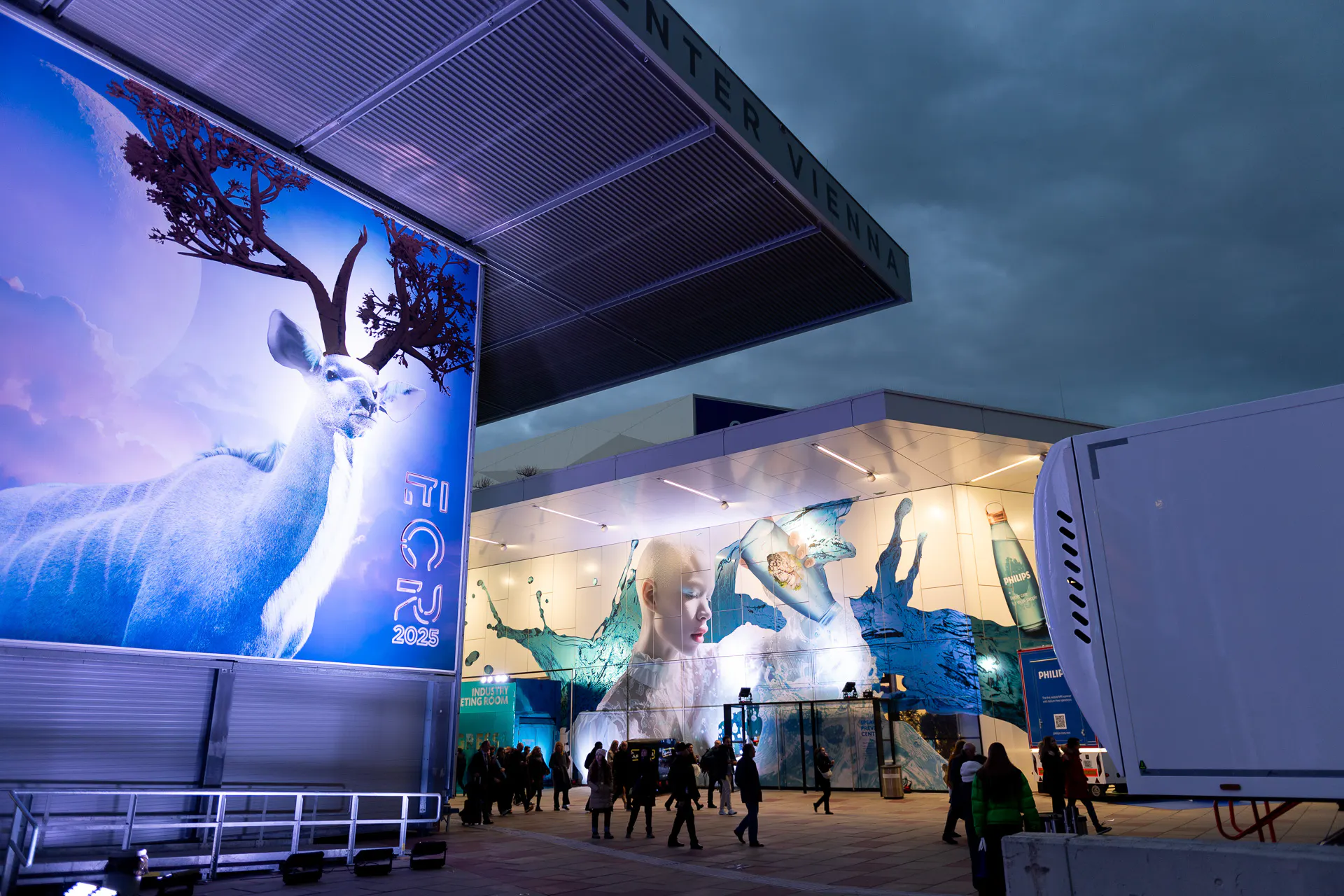
Crucially, the participation of companies like GE HealthCare, Siemens Healthineers, United Imaging Healthcare, Philips Imaging and Canon Medical Systems Europe underscored their active involvement in steering the industry toward sustainability. It reflects a commitment to developing and promoting technologies that not only drive innovation but also align with the broader vision of an eco-friendly radiological landscape.
Rayscape' Journey at ECR 2025: Expanding Horizons in AI
For us, ECR 2025 was a milestone in more ways than one. This marked our fourth year exhibiting at the congress, and once again, our booth became a hub of insightful discussions and forward-thinking ideas. The conversations have evolved—no longer just about AI’s potential, but about its direct, real-world impact. During the AI Lightning Talk, Stefan Iarca presented our vision: “From Chest to Pelvis: Next Steps for AI in Oncologic Imaging.”
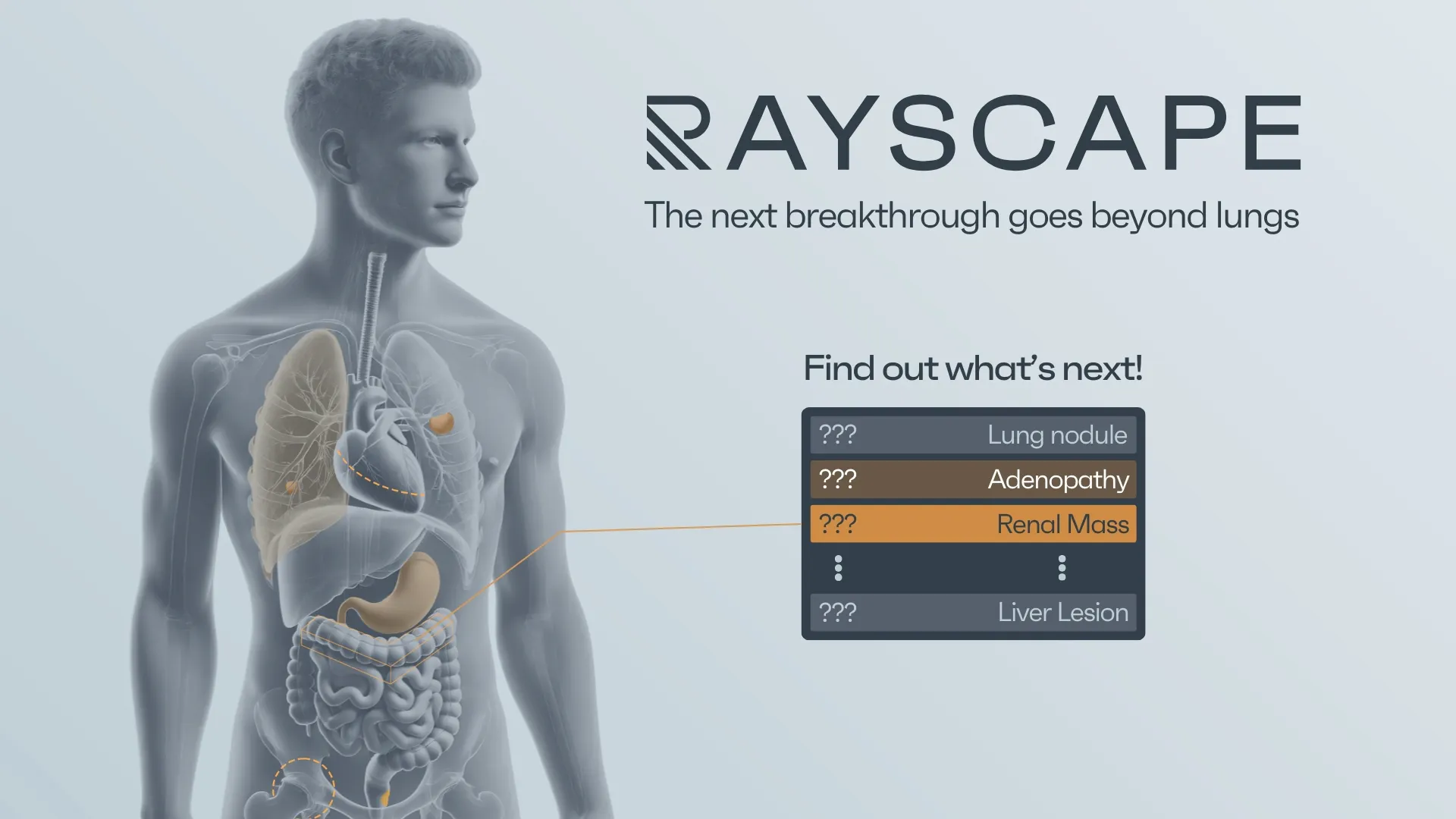
As radiology expands its focus beyond individual organs, we explored how AI can assist in detecting, quantifying, and characterizing abnormalities across multiple anatomical regions. The discussions with industry experts and users underscored an urgent need: AI that is part of the entire diagnostic workflow — especially in oncologic imaging.
Our dedication to advancing AI was also reflected in our Scientific Abstract, presented by Bogdan Bercean, based on insights from 1,000 Lung CT studies. This sheds light on how AI can refine detection patterns and contribute to more precise early diagnosis—one of the most critical aspects of oncologic imaging today.
Throughout the congress, attendees approached us with insightful questions and real-world concerns—proof that AI in radiology has moved beyond theoretical discussion into active, practical implementation. Radiologists are now engaging with AI’s complexities and challenges, not just its promises, which marks a defining moment for the profession.
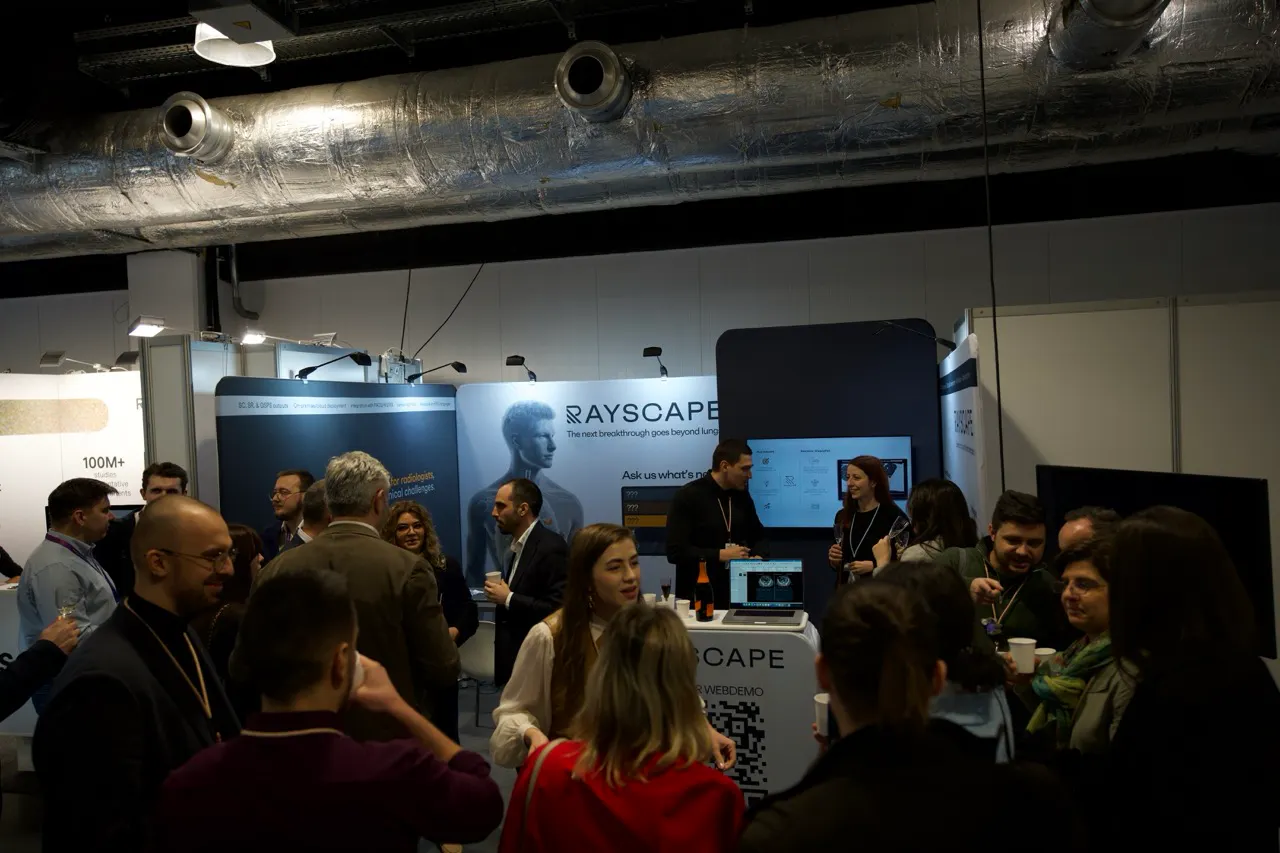
As we move forward, we focus on understanding how detection and automatic measurements can move beyond the chest to the abdomen and pelvis, creating a comprehensive oncologic imaging tool.
Key Industry Trends at ECR 2025
1. Multi-Task and Integrated AI: From Narrow to Comprehensive
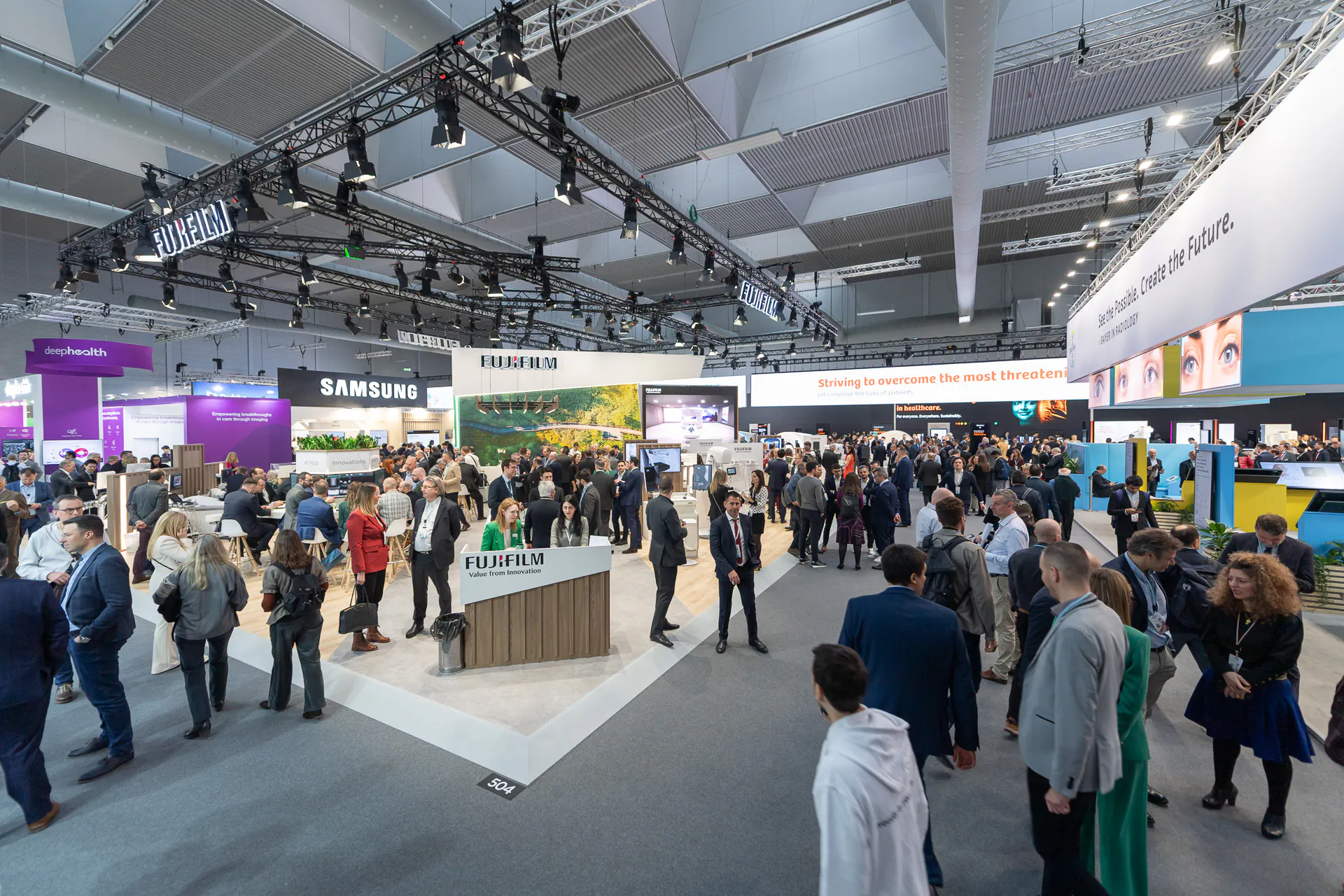
Gone are the days of single-purpose algorithms fixated on one pathology or modality. This year, partners like CARPL - Radiology AI Platform, deepc and Blackford showcased truly integrated systems, weaving together every step of the imaging process. From acquisition optimization to automated reporting, multi-task AI is now a practical ally in daily radiology workflows, cutting across multiple abnormalities and adopting the entire imaging chain as its playing field.
2. Workflow & Operational Efficiency: Every Second Counts
With increased demand and ongoing staffing challenges, vendors demonstrated how easy plug-and-scan systems streamline tasks that were once considered tedious manual chores. Real-time feedback for technologists, automated quality checks, and optimized scheduling are now standard in AI-assisted workflows. The result? Reduced bottlenecks, improved throughput, and a more efficient radiology department.
3. Advanced Image Reconstruction & Enhancement: Speed, Safety, and Clarity
New deep learning reconstruction solutions are now seamlessly integrated into scanners and machines, enabling lower radiation doses, shorter scan times, and sharper images with additional visualisations made possible. Real-time enhancement during the scan is no longer hypothetical—it’s happening. By pushing reconstruction from post-processing to an “in-scan” process, patient comfort and diagnostic confidence both stand to gain.
4. Bolstered Regulatory and Ethical Frameworks
As AI solutions continue to evolve, regulatory bodies have introduced clearer guidelines for their deployment, focusing on ongoing performance monitoring, explainability, and patient safety. The new frameworks ensure that AI performs reliably across diverse patient populations, making AI adoption safer and more transparent than ever.
5. Seamless User Experience: Elevating the Human-AI Dynamic
Radiologists are now engaging with “invisible AI”—intelligent systems that reduce cognitive load rather than add complexity. AI no longer competes with radiologists; it shadows them. Collaborative interfaces ensure that AI outputs are delivered contextually, enhancing efficiency and precision rather than overwhelming the user.
“Rays of Knowledge”: Looking Ahead
As the spotlight dims on ECR 2025, anticipation builds for next year’s congress, aptly titled “Rays of Knowledge.”Meeting president Prof. Minerva Becker promises a continued focus on pushing boundaries—both in terms of medical innovation and global sustainability. If one thing has become crystal clear, it’s that the future of radiology involves harmonizing cutting-edge technology with our duty to protect the planet.
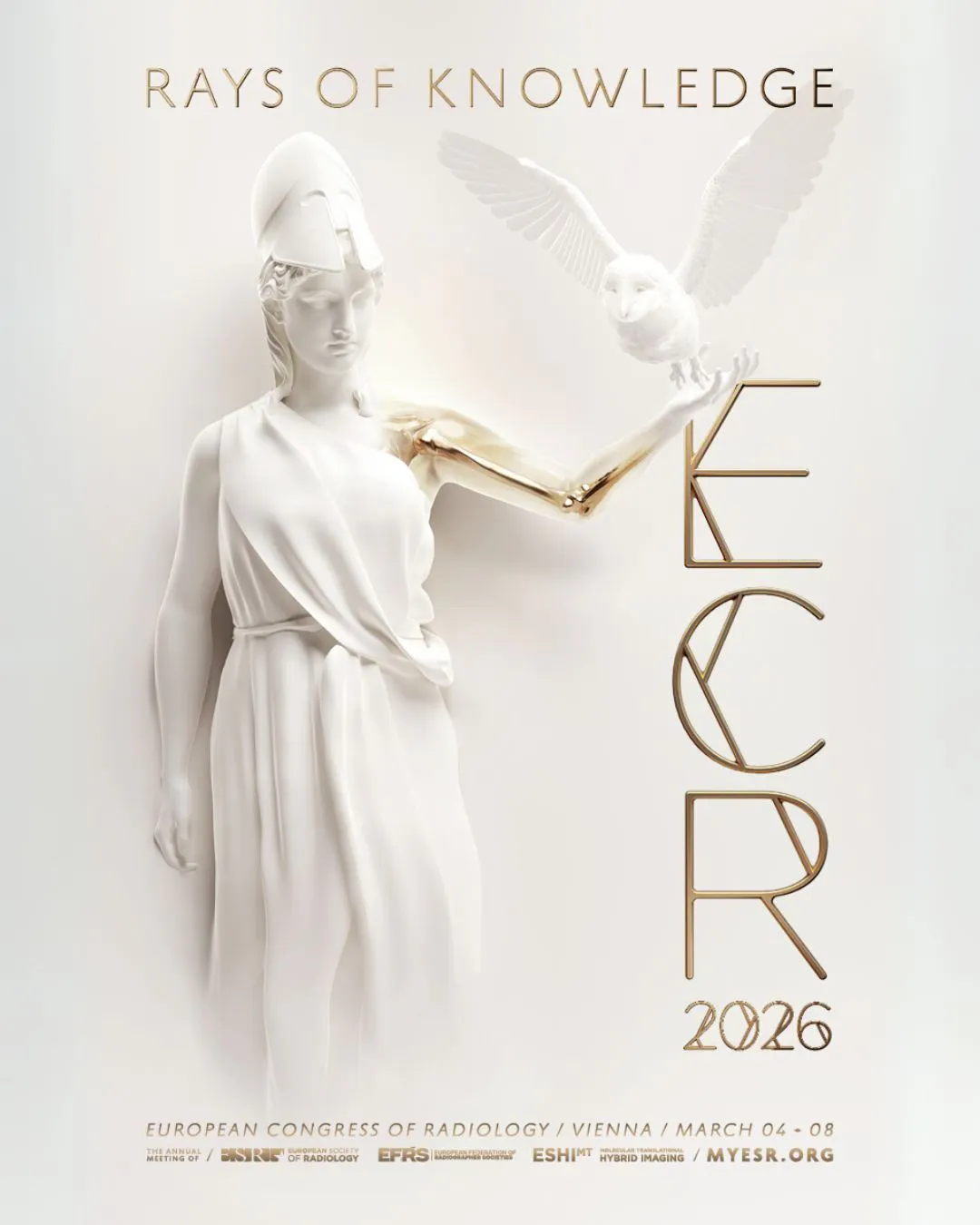
ECR 2025 will be remembered for its powerful unison of innovation and purpose.
As we take in the enduring enthusiasm and forward momentum from Vienna, one thing is certain: We’re no longer looking at radiology in isolation, but as a pivotal part of a collective effort to heal both people and the planet.
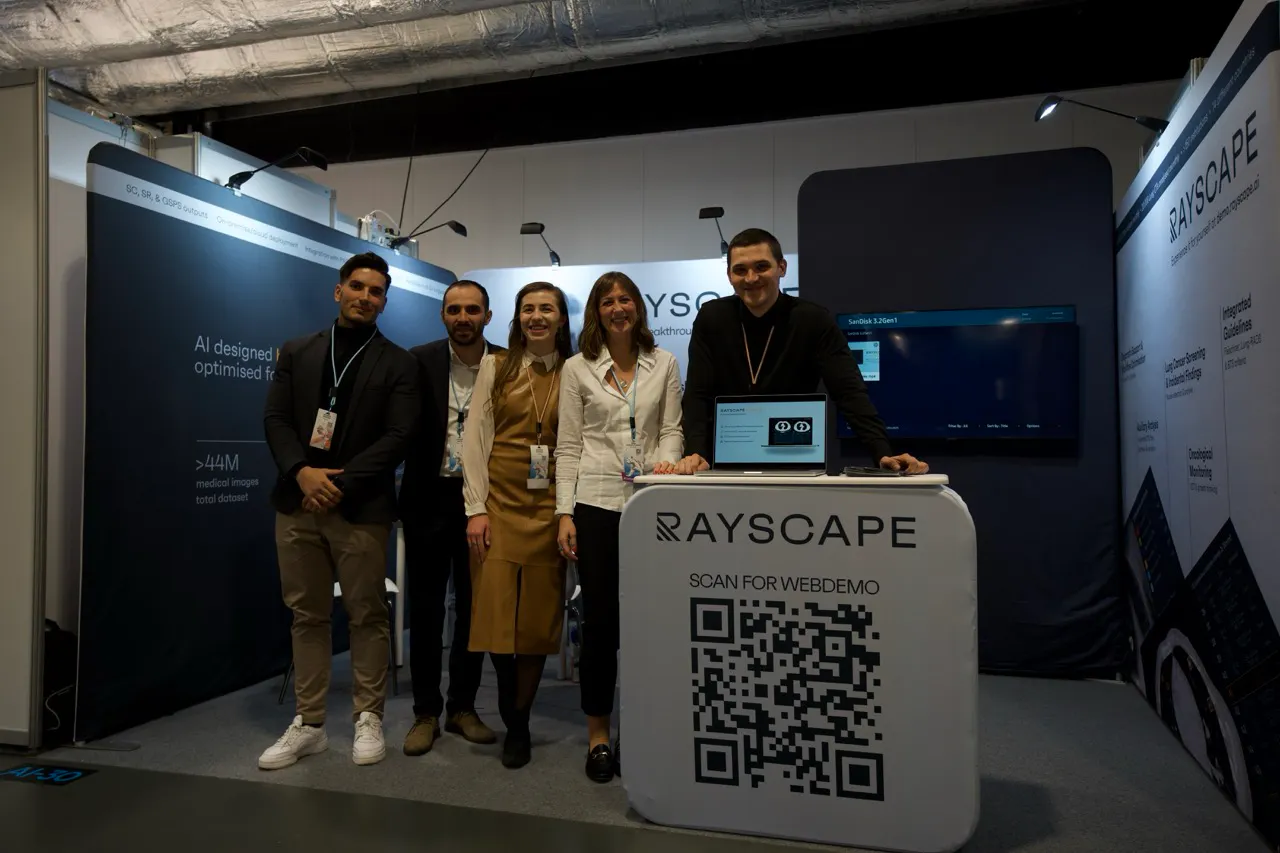
To all who share Rayscape's vision, thank you. We look forward to continuing to push the boundaries of healthcare technology and making a meaningful global impact—together.
See you at ECR 2026!
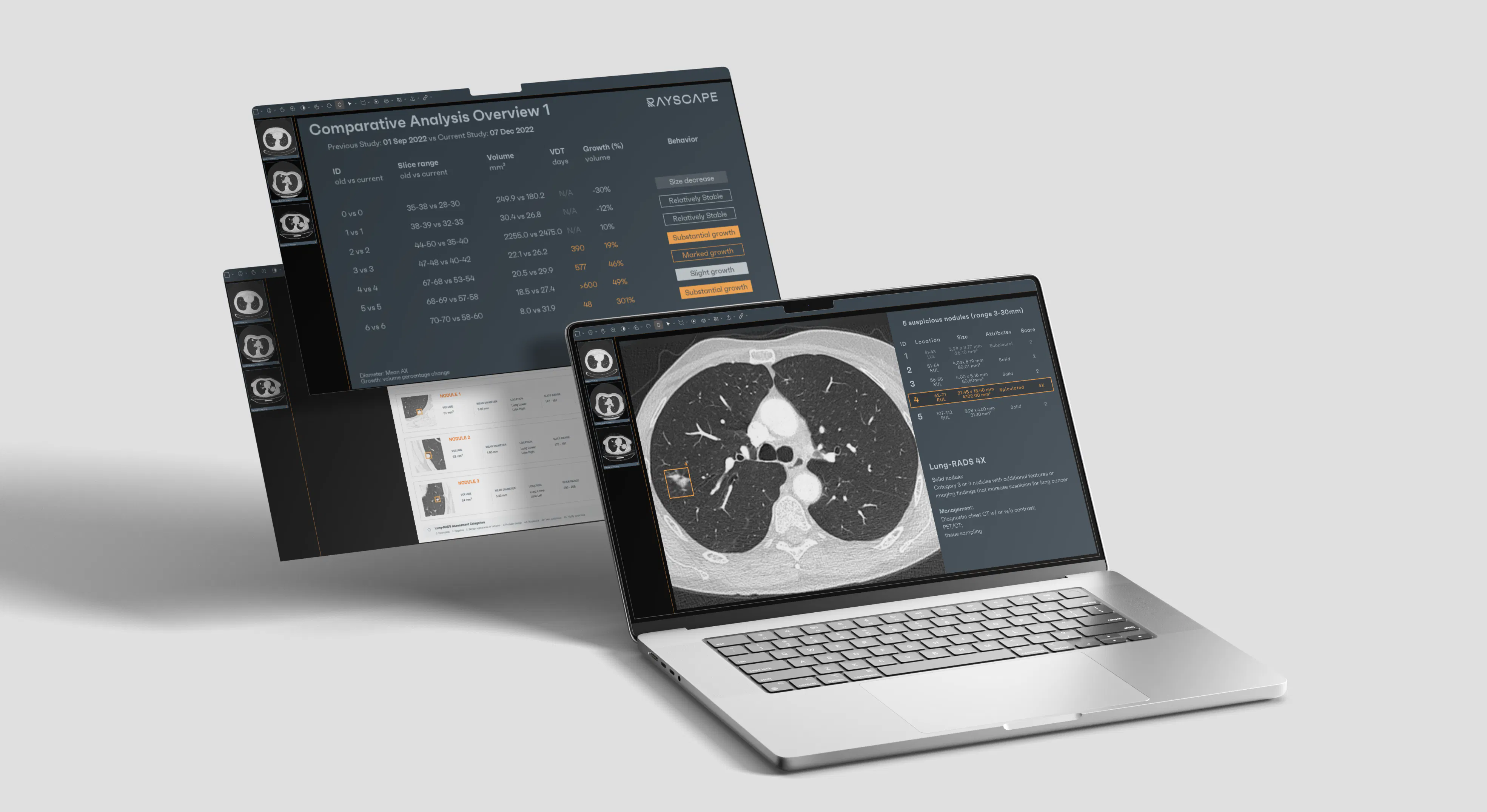

Discover how Rayscape works
integrate Rayscape AI into
your hospital's infrastructure
and improve both your
daily workflow and patients' experience.
